Sustaining the Calling: Leadership Through Uncertainty
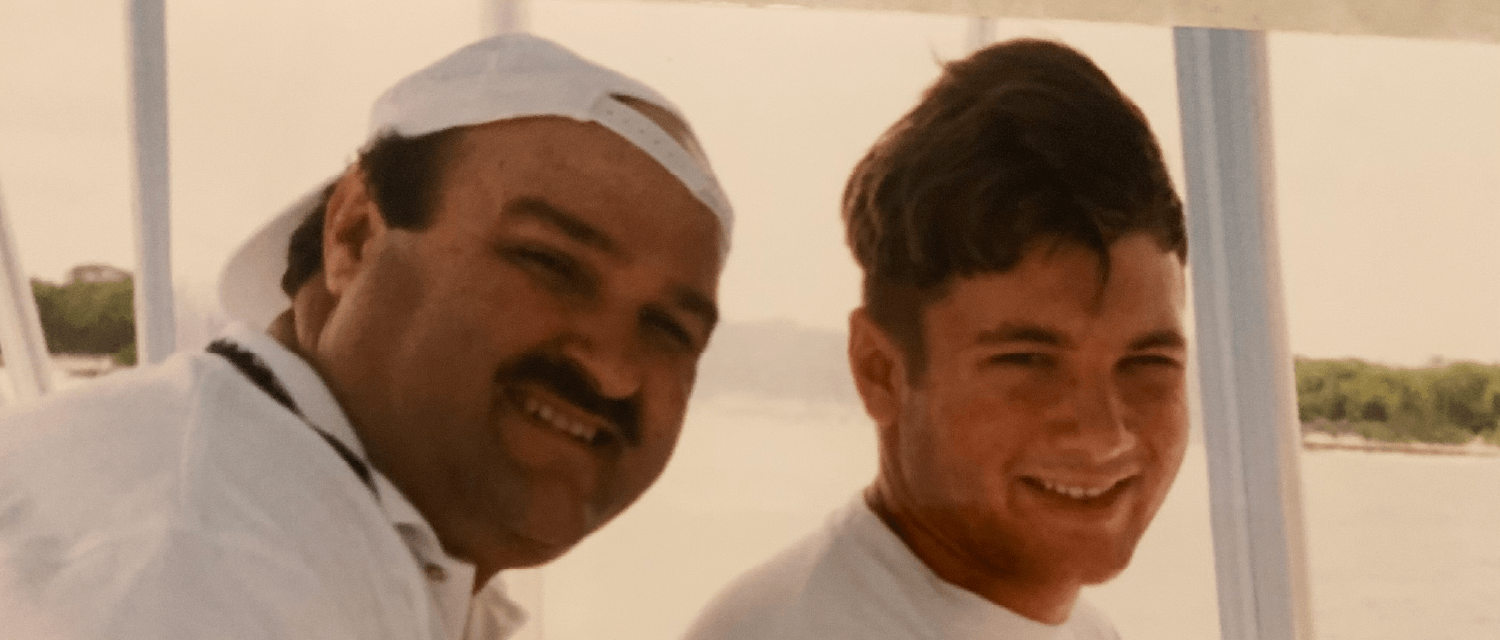
Envision's John Valdes shares moments that called him to be the physician and leader he is today.
By John Valdes, MD
There are moments in medicine that define not only who we are as physicians, but also who we become as leaders. For me, two moments shaped the physician and leader I am today.
The Calling to Anesthesia
I didn't grow up dreaming of becoming an anesthesiologist or even a physician. In high school, a football injury led to an ACL repair that changed the course of my life. The orthopedic surgeon who cared for me left a lasting impression, not simply because he repaired my knee, but also because of how he treated me, how he explained things, how he showed confidence under pressure and how he genuinely cared about getting me back to a full life. That's when medicine stopped being an abstract idea and became a calling.
As a first-generation physician, that calling carried even greater meaning. My father came to the United States from Cuba as a child in search of a better future, and his sacrifices made my education and career possible. He taught me that resilience, service and caring for others are values to be lived, not simply admired. Those lessons have shaped every stage of my career and became especially important when I was called to lead during one of the most challenging periods our team has ever faced.
Medicine, to me, is not just a career; it’s a responsibility to honor the sacrifices that came before me and to extend opportunity and care to the community that gave so much to my family.
The Calling to Lead
A year ago, the medical practice I was part of experienced a sudden operational and financial crisis that created enormous uncertainty for clinicians and staff. Contracts were in limbo. Paychecks stopped. People were left wondering how they would support their families, pay mortgages and continue showing up each day under extraordinary stress.
And yet, for two months, our anesthesia team continued caring for patients without pay.
At the time, I was serving as Chief of Anesthesia. Professionally, it was one of the greatest leadership challenges of my career. Personally, my wife and I had just welcomed a new baby, and like many of my colleagues, I was balancing sleepless nights, financial uncertainty and the pressure of helping guide a department through crisis.
During that period, I became the only chief who remained. I do not say that for recognition. I say it because crisis reveals leadership in ways stability never can. People were looking for honesty, consistency and reassurance that someone was still standing beside them.
I made a commitment to my team that I would remain present, transparent and relentless in advocating for them. I could not promise easy answers, but I could promise that our patients would remain our priority and that we would face uncertainty together.
What happened next is something I will never forget.
Despite the circumstances, we retained our entire anesthesia staff. Morale remained remarkably strong. Teams stepped up for one another. Cases continued without disruption. Patient care never wavered.
People stayed because they believed in each other.
What it Means to Sustain the Calling
That experience reinforced a lesson that continues to shape how I lead today: you do not sustain clinical teams with compensation alone. You sustain them with trust, purpose, communication and culture.
When our partnership with Envision began, that philosophy aligned immediately with what Envision represents. The move wasn't just a change in the name on a badge. It was an opportunity to rebuild with intention. We had the chance to strengthen our culture, empower physician leaders and build on the trust that had carried our team through one of its most difficult chapters.
That's why Envision's commitment to Sustain the Calling resonates so deeply with me. To me, sustaining the calling means recognizing that clinicians are human beings first. It means supporting them not only when they're productive, but also when they're exhausted; not only when circumstances are easy, but also when they're uncertain. It means empowering physician leaders who understand both the clinical and human sides of medicine and creating a culture where trust is built long before it's tested.
One of the reasons my team stayed together during that transition was because they felt heard and supported. They felt that their leadership saw them as both professionals and individuals. And that’s something Envision has continued to prioritize. Envision’s commitment to sustaining the calling gives leaders like me the administrative support to do what we do best: take care of people, develop strong teams and ensure that patient care never wavers.
Today, those lessons continue to shape how I lead. I communicate more openly. I listen more carefully. I advocate more fiercely.
Once you've looked your colleagues in the eye while they're working through extraordinary uncertainty and watched them continue showing up for their patients, you never forget what this profession truly stands for.
Culture is not built during easy moments; it is revealed during hard ones. More importantly, healthcare happens when operations, leadership and clinical care are aligned around shared values.
At the hospital, I witnessed physicians and clinicians continue showing up for patients despite immense uncertainty because they believed medicine was bigger than any one contract or company.
I became a physician because one doctor showed me what compassionate care looked like during one of the most uncertain moments of my early life.
I remain in leadership because I've seen what happens when people believe in something bigger than themselves.
That's what sustaining the calling looks like.